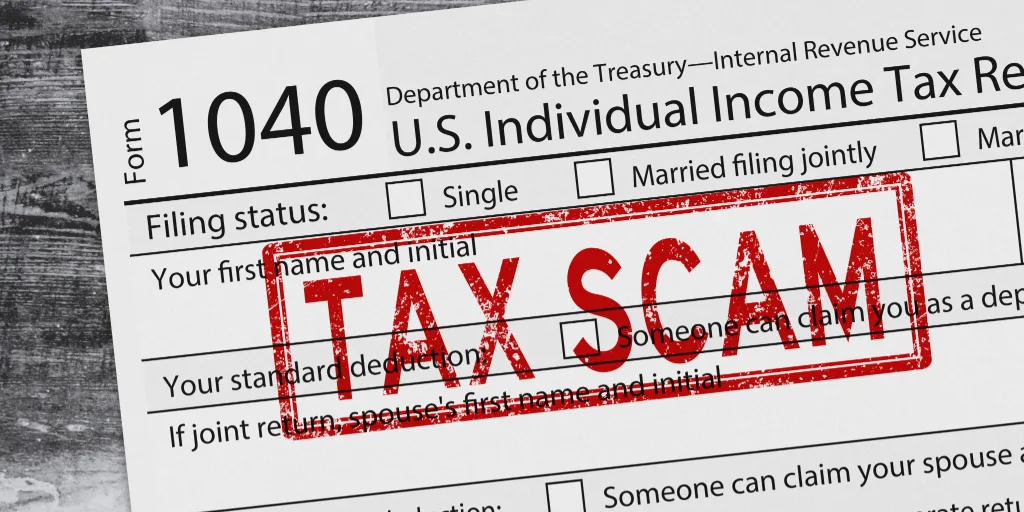
Tax season is filled with plenty of to-dos like gathering documents and meeting with your tax preparer. Unfortunately, scammers know this too.
Every year, tax time brings an increase in fraud attempts (opens in a new tab) like fake IRS calls or phishing emails promising big refunds. At Members 1st, we’re committed to helping you protect what you have worked hard to earn. So, here’s what to watch for (and how to stay one step ahead).
If you’re still getting organized, our Tax Season Checklist can help make sure you’re prepared before you file.
Why Tax Season Attracts Scammers
When taxes are top of mind, people are more likely to respond quickly to messages about refunds or account issues. Scammers use that sense of urgency to their advantage.
They may pretend to be:
The IRS A tax preparation service
A government agency
Your financial institution
Their goal is to pressure you into sharing personal information or sending money before you’ve had time to think it through.
Common Tax Scams to Watch For
IRS Impersonation Calls
You get a call saying you owe back taxes and must pay immediately or risk facing penalties or legal action. Take a breath. The IRS typically initiates contact by mail first and does not demand immediate payment over the phone or threaten arrest. They also won’t ask you to pay with non-traditional forms of payment such as gift cards or wire transfers. If someone pressures you to act immediately, that’s a major red flag.
Phishing Emails
These emails can look surprisingly real. They may use official logos and claim things like:
You’re owed a refund
There’s a problem with your return
You need to verify your information
They often include a link to a fake website designed to steal your personal details or login credentials, but the IRS does not initiate contact through email or text about refunds or tax bills.
Text Message (Smishing) Scams
This method often used by scammers is similar to phishing, but it happens through text. You might receive a message with a suspicious link and a warning that you need to respond immediately.
If you weren’t expecting a message, don’t click the link. Go directly to IRS.gov (opens in a new tab) or contact your tax professional instead.
Questionable Tax Preparers
Most tax professionals are reputable but not all of them. Be cautious of preparers who:
Promise unusually large refunds
Base their fees on the size of your refund
Refuse to sign your return
Don’t provide you with a copy
Remember, you’re responsible for what’s filed in your name. Check reviews and make sure you’re working with someone you trust.
How to Protect Yourself This Tax Season
The good news is there are a few simple steps that can go a long way.
File early. The sooner you do, the less opportunity a scammer has to file fraudulently in your name.
Slow down. Scammers rely on urgency.
Take time to verify before responding.
Never share personal information through unsolicited calls, emails or texts.
Be cautious with links. When in doubt, type the website address directly into your browser.
Monitor your accounts regularly through digital banking. If something looks off, let us know right away.
Think You’ve Been Targeted?
If you suspect you’ve shared information or fallen victim to a scam:
Contact Members 1st immediately so we can help protect your accounts.
Report suspicious tax-related emails to phishing@irs.gov.
Monitor your credit and account activity.
The sooner you act, the better we can help safeguard your finances.
We’re Here to Help
Tax season should be about planning or maybe even celebrating a refund, not worrying about fraud.
At Members 1st, your financial security matters to us. Download our Cybersecurity Awareness Checklist for a step-by-step guide to spotting and stopping fraud. If you ever receive a suspicious message involving your account or your taxes, reach out. We are happy to help you verify information and keep your money safe.
Here’s to a smooth (and scam-free) tax season.