
How to Create a Winter Emergency Kit for Your Home
Minute Read
(Edited by Sedona Meadows)
Winter storms often bring unexpected expenses, from replacing spoiled groceries to covering emergency lodging or home repairs. By planning ahead and building an emergency kit with the right supplies, you can stay safe, comfortable and better prepared to handle whatever the season throws your way. We’ve put together tips to help you create your emergency kit and ease your worries.
General Items
If you lose power, these supplies can keep you warm, light your space, help you follow weather updates and give you a reliable way to contact others.
Now is a good time to check items you may already own, such as generators or other heat sources, to make sure they work well and don’t need replacing before the winter months. Below is a list of items experts recommend having:
-
A flashlight with extra batteries
-
Alternative heat source (wood & pellet stoves, propane heaters, etc.)
-
Backup generator
-
Cell phone, chargers and a fully charged power bank
-
Battery-powered or hand-crank radio, such as a NOAA Weather Radio
-
Warm blankets
-
Hats, gloves, socks, jackets and sturdy shoes
Always use generators and fuel-burning heat sources outdoors and away from windows, and make sure smoke alarms and carbon monoxide detectors are working.
Health and Safety Items
You may not know how long you could be without utilities, so it’s important to keep medications and toiletries on hand.
Having a basic first-aid kit at home stocked with bandages, antiseptic and compresses can also help you prepare for unexpected injuries. Here’s a look at some basic items to factor into your kit:
-
Medications
-
Toiletries
-
Fire extinguisher
-
Copies of important documents (IDs, insurance policies, etc.)
Food Items
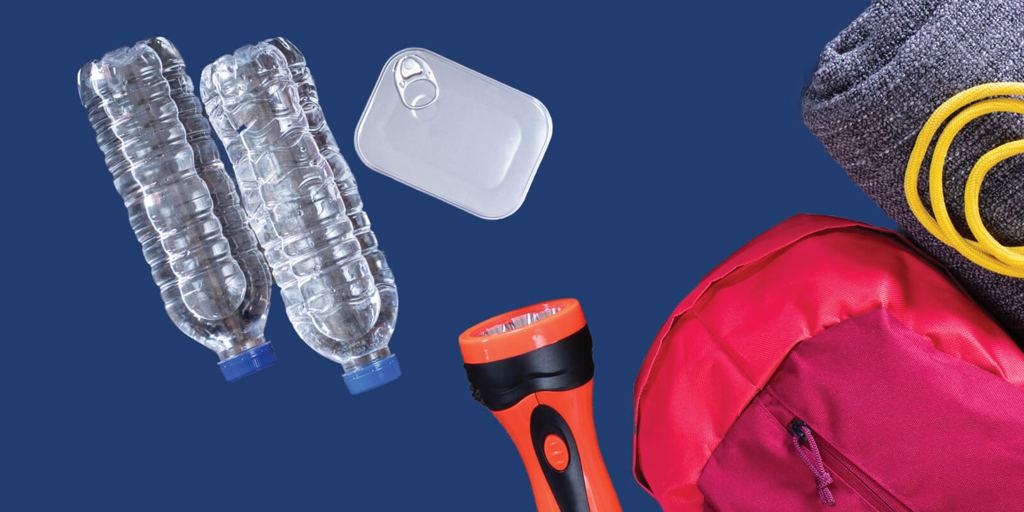
Think about everyone in your household, including pets, children and anyone with special dietary needs. Stock up on food, water and other essentials that can help your family get through a winter storm. Keep in mind that if the power goes out, you may not be able to use your refrigerator, so choose food, beverages and other supplies that don’t require refrigeration.
-
Water and non-perishable food
-
Manual can opener
-
Baby supplies and food
-
Pet supplies and food
Remember to rotate out expired food and medications and update your kit each year as household needs change.
Other Things to Consider During Winter Weather
-
Prepare for the financial impact of weather emergencies by creating an emergency fund. Unexpected issues such as burst pipes, roof damage or heating system repairs are often costly.
-
Plan for emergency supplies as part of your household budget before you shop. If you use a Members 1st credit card, consider reviewing any available rewards or cash back options before making purchases.
-
Build a car emergency kit and winterize your vehicle so you can stay safe and save money outside of your home during the winter months.
Download our home winter emergency kit checklist to help you get started.
Federally insured by NCUA.