

Checking vs. Savings Accounts: What’s the Difference and Why You Need Both
Minute Read
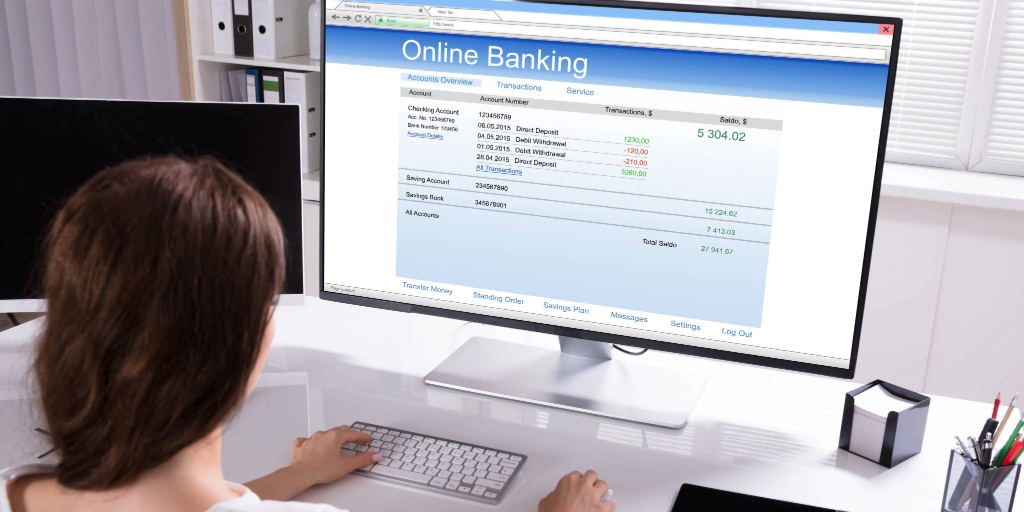
When it comes to managing your money, choosing between a checking account or a savings account is not the way to go. Instead, you should use both in a way that works for your life. Think of it this way: one helps you handle your everyday spending, and the other helps you build toward what is next. Let’s break it down in a simple, no-stress way.
Your Money, Organized with Purpose
At a glance, here’s the biggest difference:
-
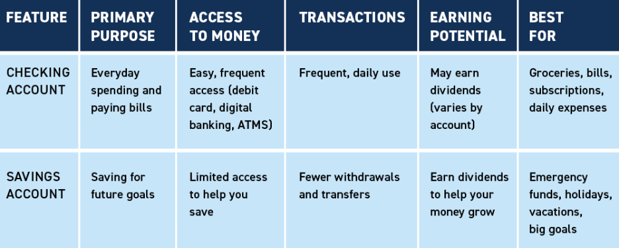
Checking accounts are designed for everyday spending.
-
Savings accounts are designed for saving and growing your money over time.
When you use each account for what it’s meant to do, managing your money becomes a whole lot easier. This breakdown depicts why many people choose to have both. Each account plays a different role in your financial routine.
What a Checking Account Does Best
Your checking account is where life happens. It’s designed to make managing your day-to-day finances simple, flexible and convenient. With Members 1st checking, you can:
-
Use your debit card for everyday purchases.
-
Pay bills and set up recurring payments.
-
Get paid through direct deposit.
-
Access your money anytime with digital banking.
If you’re looking for an option that goes a step further, 1st Defense™ checking1 adds an extra layer of protection and peace of mind. This new account offers benefits that reflect the true needs of our members, helping you stay one step ahead of fraud and unexpected issues while managing your everyday spending.
What a Savings Account Does Best
Your savings account is where your goals live. It’s built to help you set money aside (and keep it there) so you can prepare for what’s ahead. With a Members 1st savings account, you can:
-
Start saving with a low minimum balance.
-
Open multiple savings accounts for different goals.
-
Earn dividends on your balance over time.
-
Build habits that support long-term financial wellness.
Whether it’s an emergency fund, a vacation or the holidays, saving helps you focus on growing your money with purpose.
Why Having Both Makes Sense
Using only one account can make things harder than they need to be. When you have both a checking and savings account, you can:
-
Keep spending and saving separate: Your everyday purchases won’t eat into your future plans.
-
Build better habits: Setting money aside regularly becomes easier when it has a dedicated place to go.
-
Stay flexible: You can transfer money between accounts whenever you need, without losing sight of your goals.
-
Make progress you can see: When your savings have a clear purpose, it’s easier to stay motivated and consistent.
How it Works in Real Life
Here’s a simple way to put both accounts to work:
-
Your paycheck goes into checking.
-
You pay bills and cover everyday expenses.
-
You move money into savings—automatically or manually.
-
Your savings grow over time, ready when you need it.
It’s a simple system, but it’s one that works.
Let’s Make it Easy
At Members 1st, we believe your finances should feel simple and be built around you. With flexible checking options and savings accounts designed to help you reach your goals, you can create a system that fits your life—not the other way around.
Because when your money has a purpose and a place, you’re able to manage it and make it work for you. Ready to get started? Click, call or come into any of our branches to open your checking and savings accounts today.
Federally Insured by NCUA.
1Eligibility: Benefits are available to personal checking account owners and their joint account owners subject to the terms and conditions for the applicable Benefits. Some Benefits require authentication, registration and/or activation. Benefits are not available to a “signer” on the account who is not an account owner or to businesses, clubs, trusts, and/or organizations.
