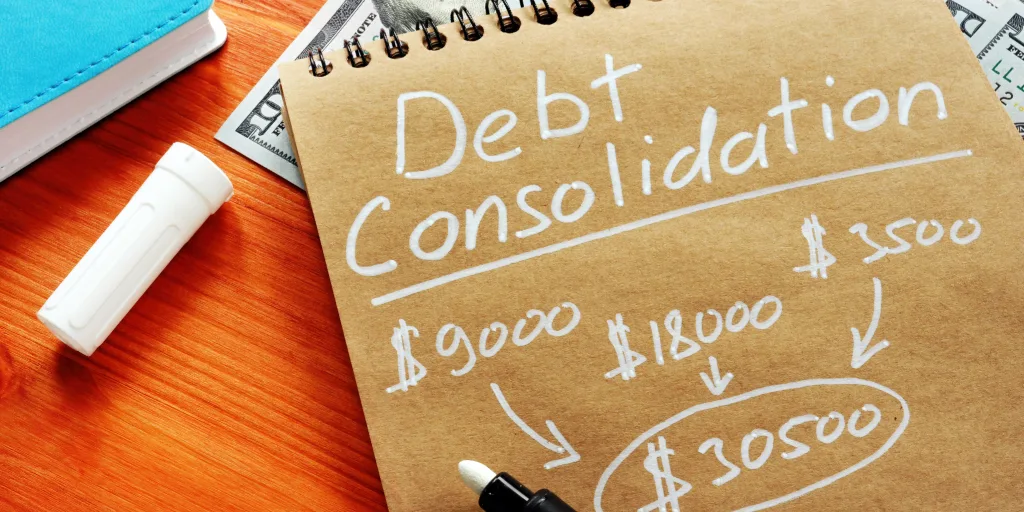
When you are juggling multiple bills, interest rates and due dates, it’s easy to feel overwhelmed. If your debt is beginning to take a toll, it may be time to explore ways to simplify things. One option is debt consolidation, which combines your outstanding debts into one new payment. You may be wondering, “Is debt consolidation worth it?” Before you embark on your debt-free journey, review our tips below to help determine whether debt consolidation could be the right move for you.
Consolidating Your Debt Might Be a Good Idea
Consider consolidating if you have:
Sizeable high-interest debt: Numerous loans with large balances can put a strain on your finances. Even if you are committed to paying them off a little at a time, high interest rates may force you to pay more than your actual balance. Consolidating can reduce that burden and help you pay down the principal faster, potentially saving money over time.
A good credit score: A good credit score typically falls between 670 and 739, according to MyFICO (opens in a new tab). Having a stronger credit profile can increase your chances of qualifying for a lower interest rate or better loan terms. Members can view their credit score by logging in to online banking, selecting “My Profile” at the top right and clicking on “My FICO Score.”
A well-thought-out payoff strategy: A Visa® Balance Transfer (VBT) may be a good option because it usually offers a low introductory annual percentage rate (APR) for a set period of time. After that, rates can significantly increase, so try to pay off your balance before the end of your promotional period. Avoid these mistakes when paying off your debt, and consider meeting with your Members 1st MyConcierge™ for help creating a repayment plan.
Too many monthly payments to manage: Juggling multiple bills can add stress and increase the risk of missed payments. Consolidating debt into a single monthly payment can simplify your finances and make it easier to stay on track.
Debt Consolidation May Not Be a Good Idea
Be cautious if you have:
Small and manageable debt: This is low-interest debt that you can pay off within a year. Use our debt consolidation calculatorto figure out if it’s worth it to consolidate and what your monthly payment would be. If your balances are already manageable, consolidation likely won’t provide enough benefit to justify the cost.
A low credit score: As mentioned, a poor credit score may mean you only qualify for high-rate loans that won’t save much. If you are unhappy with your current score, try these ways to improve it.
Tendencies to overspend: The goal of transferring your debt is to pay it down, not increase it. If you often spend on impulse, focus first on small, practical saving strategies to regain control. Remember: without changing your spending patterns, even consolidated debt can grow.
Additional Considerations and Tips Before You Commit
Compare total costs, not just monthly payments: A lower monthly payment may seem appealing, but total cost over the life of the loan (interest + fees) could be higher than your current debt.
Choose the right consolidation option: Options include VBTs, home equity products or personal loans. Each has different risk profiles, fees and qualification requirements.
Plan your repayment strategy: Make realistic monthly payments and avoid adding new debt.
Credit impact: Applying for a new loan or credit card may trigger a hard inquiry, which can temporarily affect your credit score. However, consolidating multiple balances can improve your credit utilization and benefit your credit health over time. Before applying, review your credit report (opens in a new tab) and make sure you’re choosing the option that best supports your long-term financial goals.
Making the Best Decision for Your Finances
For many people, consolidating high-interest debt can lighten the load, reduce stress and create a clearer path forward. Still, it’s important to weigh the pros and cons based on your situation. Not sure which direction to go? Connect with your personalized concierge—they can help you understand your options and choose the solution that fits you best.